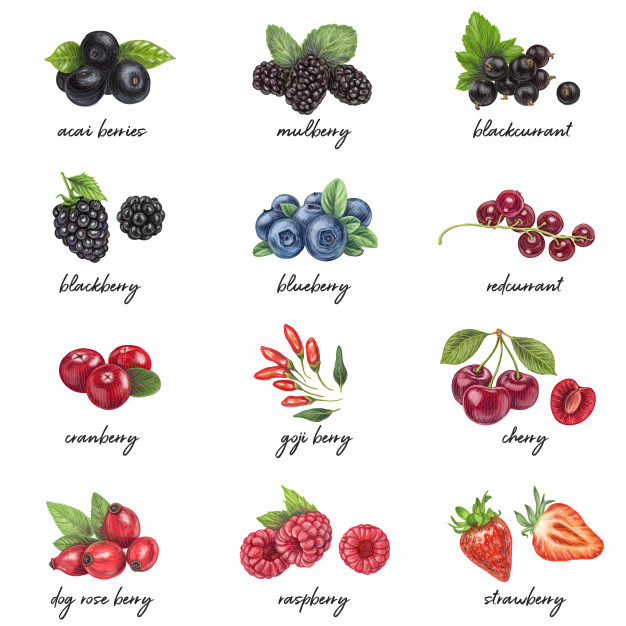
Berries are among the healthiest foods you can eat. They are delicious, nutritious and provide a number of impressive health benefits. Here are some good reasons for you to include berries in your diet.
1. Loaded with antioxidants.
Berries contain antioxidant which help keep free radicals under control. Free radicals are unstable molecules that are beneficial in small amounts but can damage your cells when their numbers get too high causing oxidative stress. Berries are a great source of antioxidants, such as anthocyanins, ellagic acid and resveratrol. In addition to protecting your cells, these plant compounds may reduce disease risk. One study showed that blueberries, blackberries, and raspberries have the highest antioxidant activity of commonly consumed fruits next to pomegranates. In fact, several studies have confirmed that the antioxidants in berries may help reduce oxidative stress.
2. It may help improve blood sugar and insulin response.
Berries may improve your blood sugar and insulin levels. Test tube and human studies suggest that they may protect your cells from high blood sugar levels, help increase insulin sensitivity, and reduce blood sugar and insulin response to high carb meals. Importantly these effects appear to occur in both healthy people and those with insulin resistance. In a six-week study done, obese people with insulin resistance who drank a blueberry smoothie twice per day experienced greater improvements in insulin sensitivity than those who consumed berry free smoothies.
3. High in fiber.
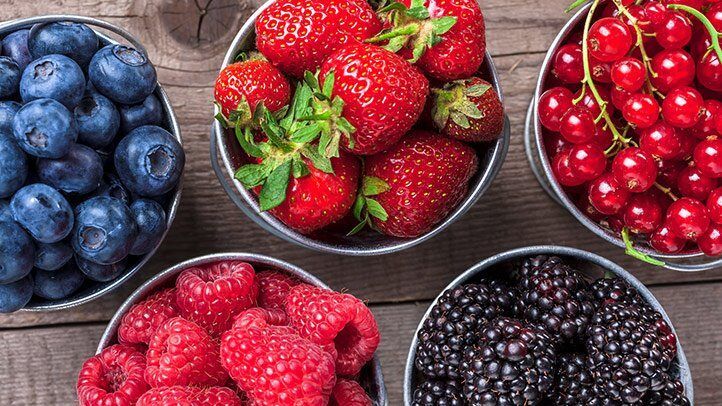
Berries are a good source of fiber including soluble fiber. Studies show that consuming soluble fiber slows down the movement of food through your digestive tract, leading to reduced hunger and increased feelings of fullness. This may decrease your calorie intake and make weight management easier. Fiber do helps reduce the number of calories you absorb from mixed meals. One study found that doubling your fiber intake could make you absorb up to 130 fewer calories per day. In addition, the high fiber content of berries means that they’re low in digestible or net carbs, which are calculated by subtracting fiber from total carbs. Here are the carb and fiber counts for 3.5 ounces (100 gms) of berries.
- Raspberries: 11.9 grams of carbs, 6.5 of which are fiber
- Blackberries: 10.2 grams of carbs, 5.3 of which are fiber
- Strawberries: 7.7 grams of carbs, 2.0 of which are fiber
- Blueberries: 14.5 grams of carbs, 2.4 of which are fiber
Note that a typical serving size for berries is 1 cup, which converts to about 4.4 to 5.3 ounces (around 125 to 150 grams) depending on the type. Because of their low net carb content, berries are a low carb friendly food.
4. It provide plenty of nutrients.
Berries are low in calories and extremely nutritious. In addition to being high in antioxidants, they also contain several vitamins and minerals. Berries, especially strawberries, are high in vitamin C. In fact, 1 cup (150 gms) of strawberries provides a whopping 150 percents of the RDI for vitamin C. Listed below is the nutrition content of a 3.5 ozs (100 gms) serving of blackberries.
- Calories: 43
- Copper: 8 percent of the RDI
- Vitamin C: 35 percent of the Reference Daily Intake (RDI)
- Vitamin K1: 25 percent of the RDI
- Folate: 6 percent of the RDI
- Manganese: 32 percent of the RDI
The calorie count for 3.5 ounces (100 gms) of berries ranges from 32 for strawberries to 57 for blueberries, making berries some of the lowest calorie fruits around.
5. Help fight inflammation.
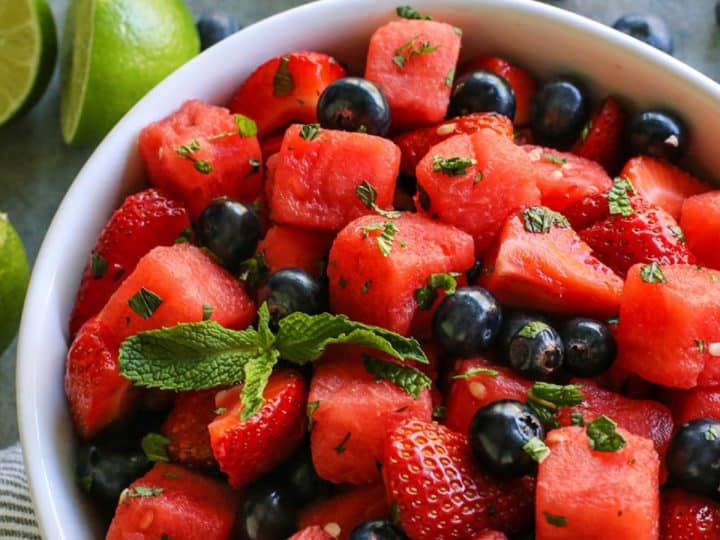
Berries have strong anti inflammatory properties. Inflammation is your body’s defence against infection or injury. Modern lifestyles often lead to excessive long term inflammation due to increased stress, inadequate physical activity and unhealthy food choices. This type of chronic inflammation is believed to contribute to conditions like diabetes, heart disease and obesity. Studies suggest that the antioxidants in berries may help lower inflammatory markers.
6. It may help lower cholesterol levels
Berries are a heart-healthy food. Black raspberries and strawberries have been shown to help lower cholesterol in people who are obese or have metabolic syndrome. In an 8-week study, adults with metabolic syndrome who consumed a beverage made from freeze dried strawberries daily experienced an 11 percent drop in LDL (bad) cholesterol. What is more, berries may help prevent LDL cholesterol from becoming oxidised or damaged which is believed to be a major risk factor for heart disease. In a controlled study in obese people, those eating 1.5 ounces (50 gms) of freeze dried blueberries for 8 weeks noticed a 28 percent reduction in their oxidised LDL levels.
7. It may be good for your skin.

Berries may help reduce skin wrinkling, as their antioxidants help control free radicals, one of the leading causes of skin damage that contributes to ageing. Though research is limited, allergic acid appears responsible for some of the skin related benefits of berries. Test tube and animal studies suggest that this antioxidant may protect skin by blocking the production of enzymes that break down collagen in sun damaged skin. Collagen is a protein that is part of your skins structure. It allows your skin to stretch and remain firm. When collagen is damaged your skin may sag and develop wrinkles.
8. It may help protect against cancer.
Several antioxidants in berries, including anthocyanins, ellagic acid and resveratrol which may reduce the risk of cancer. Specifically, animal and human studies suggest that berries may protect against cancer of the esophagus, mouth, breast and colon. In a study in 20 people with colon cancer, eating 2 ounces (60 grams) of freeze dried raspberries for 1 to 9 weeks improved tumour markers in some participants, though not all. Another test tube study found that all types of strawberries had strong, protective effects on liver cancer cells, regardless of whether they were high or low in antioxidants.
9. It can be enjoyed on nearly all types of diets.

Berries can be included in many kinds of diets. Though people on low carb and ketogenic diets often avoid fruit, you can still usually enjoy berries in moderation. For instance, a half-cup serving of blackberries (70 grams) or raspberries (60 grams) contains less than 4 grams of digestible carbs. Liberal amounts of berries can be incorporated into paleo, Mediterranean vegetarian and vegan diets. For people who want to lose weight, the few calories in berries make them ideal to include in meals, snacks or desserts. Organic and wild berries are now widely available in many parts of the world. When they’re not in season frozen berries can be purchased and thawed as needed. The only people who need to avoid berries are those who require a low fiber diet for certain digestive disorders, as well as individuals who are allergic to berries. Allergic reactions to strawberries are most common.
10. It may help keep your arteries healthy.
In addition to lowering cholesterol, berries provide other benefits for heart health including improving the function of your arteries. The cells that line your blood vessels are called endothelial cells. They help control blood pressure, keep blood from clotting and perform other important functions. Excessive inflammation can damage these cells which in turn inhibiting proper function. This is referred to as endothelial dysfunction, a major risk factor for heart disease. Berries have been found to improve endothelial function in studies in healthy adults, individuals with metabolic syndrome and people who smoke. Though fresh berries are considered healthiest, berries in processed form may still provide some heart healthy benefits. Baked berry products are considered processed whereas freeze dried berries are not.
11. Delicious alone or in healthy recipes.

Berries are undeniably delicious. They make a wonderful snack or dessert, whether you use one type or a mix of two or more. Though they are naturally sweet and require no additional sweetener, adding a bit of heavy or whipped cream can transform them into a more elegant dessert.
For breakfast try berries topped with either plain Greek yogurt, cottage cheese, or ricotta cheese along with some chopped nuts. Another way to include berries in your diet is as part of a salad. Browse through some healthy recipes to discover the endless versatility of berries. By including them in your diet on a regular basis you can improve your overall health in a very enjoyable way.
 DomoArigato