What are dietary fats?
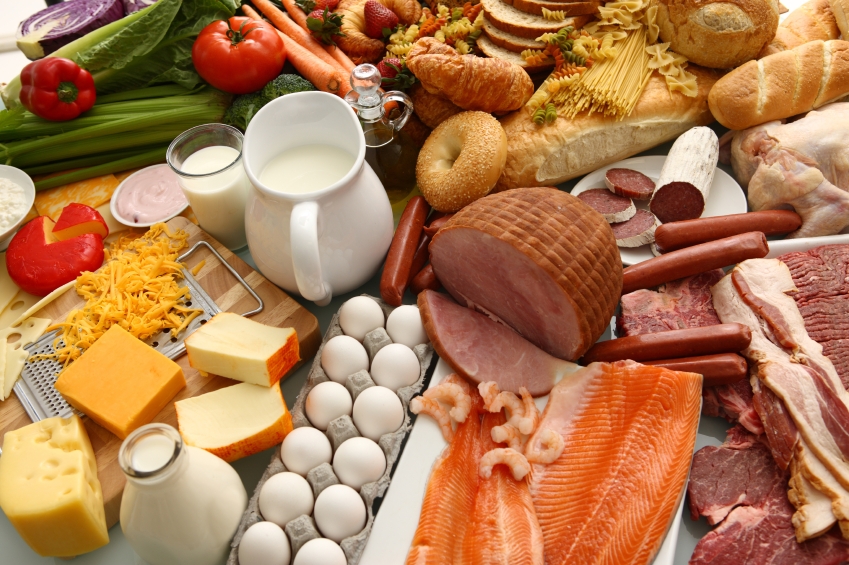
Dietary fat may have a bad reputation but fat isn’t always a bad thing. Your body actually needs fat for energy and to process certain vitamins and minerals. For several decades our grocery stores have been stocked with an assortment of fat free and low fat food products. Since fat is high in calories eliminating it seemed like a good way to manage weight and improve health. Unfortunately added sugars and refined carbohydrates are often used to replace fat in processed foods. That adds up to a lot of extra calories with little to none nutritional value. There’s one bad fat that you should avoid, though and that is trans fat.. They have no nutritional value and are harmful to your health. They’re often found in fried foods, processed snacks and baked goods. Two other types of dietary fat are saturated and unsaturated fat. Rather than trying to cut fat, you’ll be better off learning more about these two types of fat and how they affect your body.
What is saturated fat?

Fats that are tightly packed are called saturated fats. There are some exceptions, but most are solid at room temperature. Sources of saturated fat include red meat, some chicken products, dairy products including butter, shortening and cheese. A diet high in saturated fat may raise your low density lipoprotein (LDL) cholesterol levels. This will raise your risk of heart disease and type 2 diabetes. Our typical diet is too high in saturated fats. Most of it is from pizza and cheese, followed by dairy and meat products.
What is unsaturated fat?
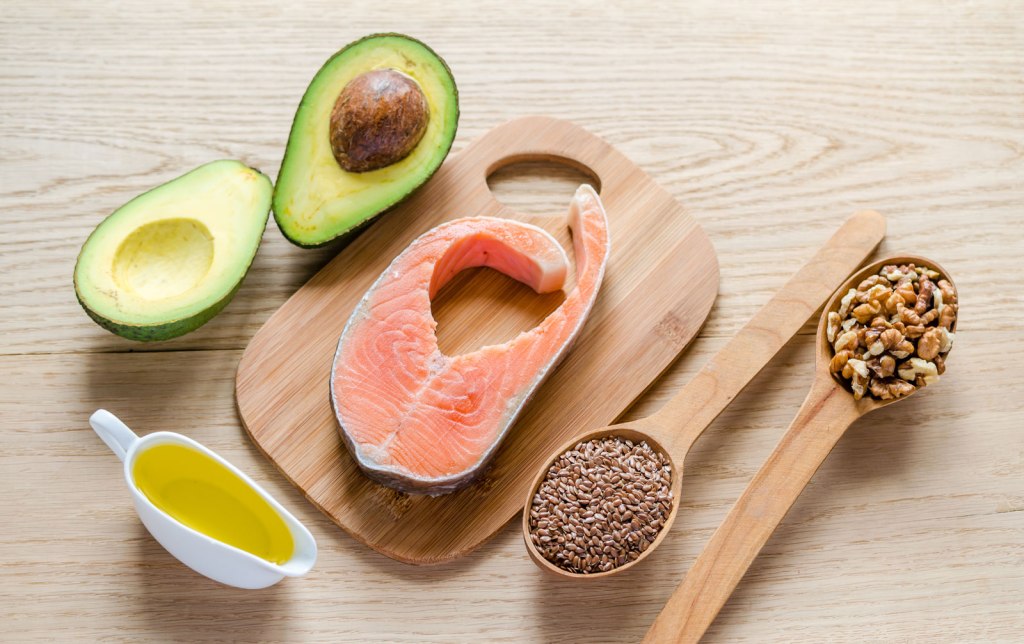
Unsaturated fats are loosely packed. They tend to be liquid at room temperature. Replacing saturated fat with unsaturated fat can improve your health. Unsaturated fat comes from plants. It’s found in olives, nuts and seeds, vegetable oils and some fish. There are two main types of unsaturated fat, monounsaturated and polyunsaturated fats.
Monounsaturated fats.
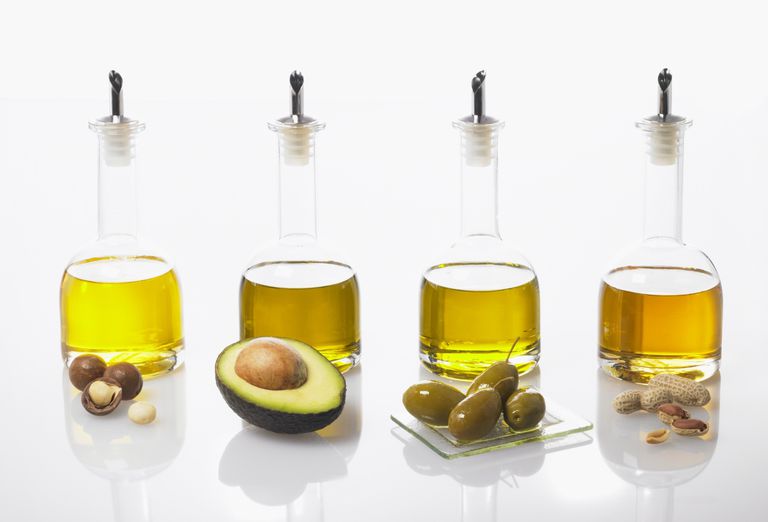
Monounsaturated fats can help improve your cholesterol levels and lower your risk of cardiovascular disease. It may also help you control your insulin levels and blood sugar.Foods that contain monounsaturated fats include avocado, olive oil, canola oil, peanut oil, most nuts and seed.
Polyunsaturated fats.

Your body needs polyunsaturated fats to function. This type of fat helps with muscle movement and blood clotting. Since your body does not make it, you have to get it in your diet. Polyunsaturated fats can be further divided into two types which are omega 3 and omega 6 fatty acids. Omega 3 fatty acid may be beneficial to the heart. Omega 3 fatty acids can be found in sunflower oil, and seeds, canola oil, chia seeds, walnuts, safflower, hemp seeds, soya bean oil, ground flax and flax seed oil and of course fatty type of fish like tuna, salmon, trout to name a few. Omega 6 fatty acid may also help protect against cardiovascular disease. Omega 6 fatty acids can be found in walnut oil, soy bean oil, safflower oil, corn oil and sunflower oil. Research reveals that there is not enough evidence that saturated fat raises the risk of cardiovascular disease. But choosing polyunsaturated fats in place of saturated fat can reduce the risk. That is not the case if you replace saturated fat with sugar and processed carbohydrates. Some oils may have more health benefits than others. Canola oil although considered an unsaturated fat, is typically genetically modified and refined bleached and deodorised. This process may cause negative health effects. Eating oils in moderation and varying your intake of types of oils is recommended. Avoid overheating or burning of oils to keep their nutrient content.
What are the recommended levels of fat intake?
People need fats so you do not have to do without them. But it is clear you should eat saturated fat in moderation. The recommendation is limiting your intake of saturated fat to less than 6 percent of your daily calories. That translates to about 120 calories or about 13 grams per day on a 2000 calorie daily diet. Total fat intake should be between 20 and 35 percent. This equals to 44 to 77 grams of total fat daily on a 2000 calorie diet.
Tips for balanced diet.
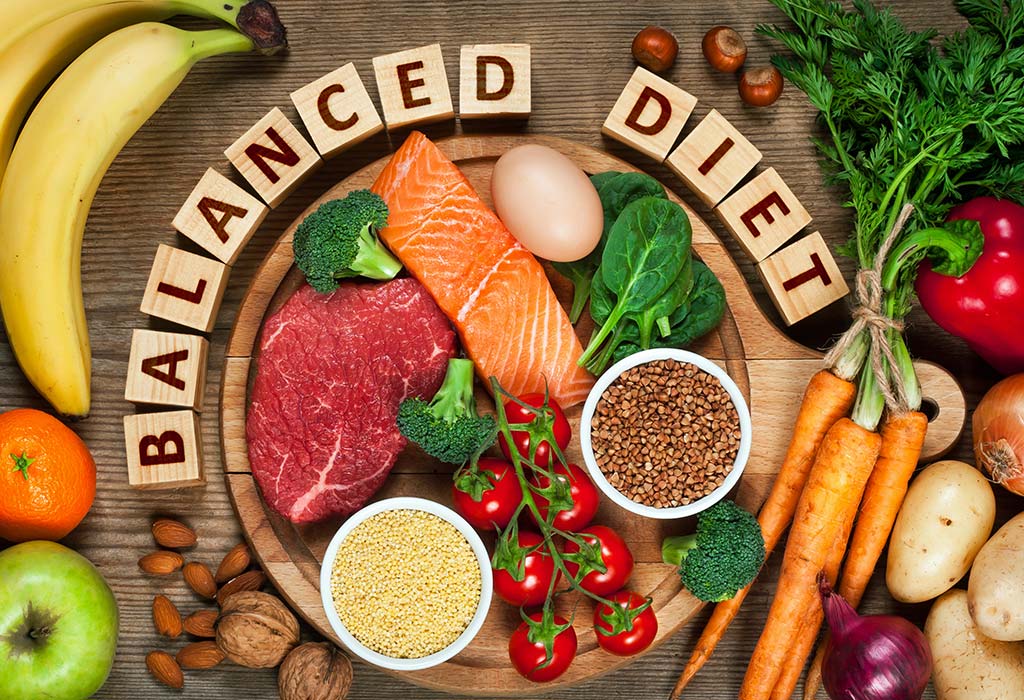
Your body needs fat. The goal isn’t to cut out fats completely, but to eat healthier fats whenever you can.
| Limit these foods: | Replace them with these foods: |
| butter, stick margarine, and cream cheese. | oil-based dressings and spreads |
| sour cream and ice cream. | low-fat plain or Greek yogurt |
| whole milk. | skim or low-fat milk or plant milk (soy, almond, flax, hemp) |
| pizza, processed meats, fatty meats, fried chicken or other skin on chicken dishes. | lean cuts of meat, poultry, seafood, and fish |
| desserts, baked goods, and processed snacks. | Whole grains, fruits, vegetables, and nuts |
Preferred method of cooking would be as follows:
- Sauté with olive oil instead of butter, lard or shortening.
- Bake with canola, olive, sunflower or avocado oil.
- Bake, broil or grill seafood and poultry instead of frying.
When you go grocery shopping, read nutrition labels carefully. Many foods contain both saturated and trans fat. Take extra caution when buying reduced fat products. The fats are often replaced with something worse. Healthy eating starts with a diet rich in whole grains, vegetables, fruits, beans and legumes.
Eating too much fat can contribute to weight gain. This can raise your risk of heart disease and other chronic health problems. But fats are part of a healthy diet. The trick is, favour the healthier fats over the less healthy fats. Cut down on your total fat intake. It is important to replace fats with healthy options rather than processed foods.
 DomoArigato