
Inflammation can be both good and bad. On one hand, it helps your body defend itself from infection and injury. On the other hand, chronic inflammation can lead to weight gain and disease. Stress, inflammatory foods, and low activity levels can make this risk even greater. Studies demonstrate that some foods can fight inflammation. Here are some of the example of those foods.
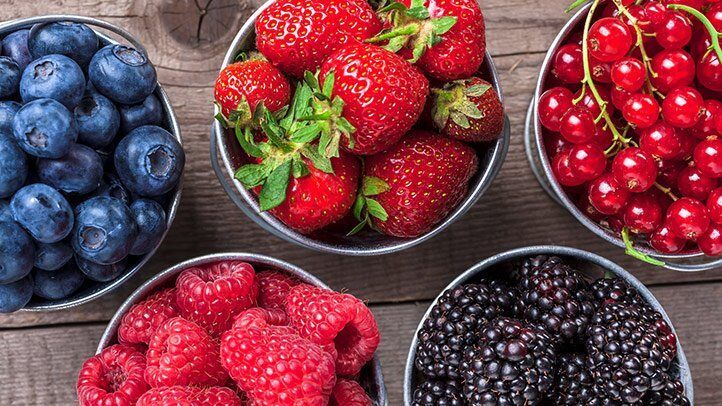
1. Berries.
Berries are small fruits that are packed with fiber, vitamins, and minerals. Although dozens of varieties exist, some of the most common ones are strawberries, blueberries, raspberries and blackberries. Berries contain antioxidants called anthocyanins. These compounds have anti-inflammatory effects that may reduce your risk of disease. Your body produces natural killer cells (NK cells), which help keep your immune system functioning properly. One study found out that men who consumed blueberries every day produced significantly more NK cells than men who did not. In another study, adults with excess weight who ate strawberries had lower levels of certain inflammatory markers associated with heart disease.
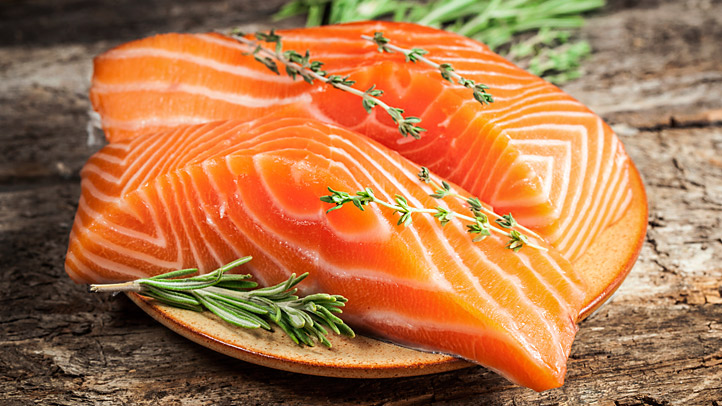
2. Fatty fish.
Fatty fish are a great source of protein and the long chain omega 3 fatty acids EPA and DHA. Although all types of fish contain some omega 3 fatty acids, these fatty fish are among the best source.
- salmon
- sardines
- herring
- mackerel
- anchovies
EPA and DHA reduce inflammation that can lead to metabolic syndrome, heart disease, diabetes, and kidney disease. Your body metabolises these fatty acids into compounds called resolvins and protectins, which have anti-inflammatory effects. One clinical studies found out that, people consuming salmon or EPA and DHA supplements experienced reductions in the inflammatory marker C-reactive protein (CRP).
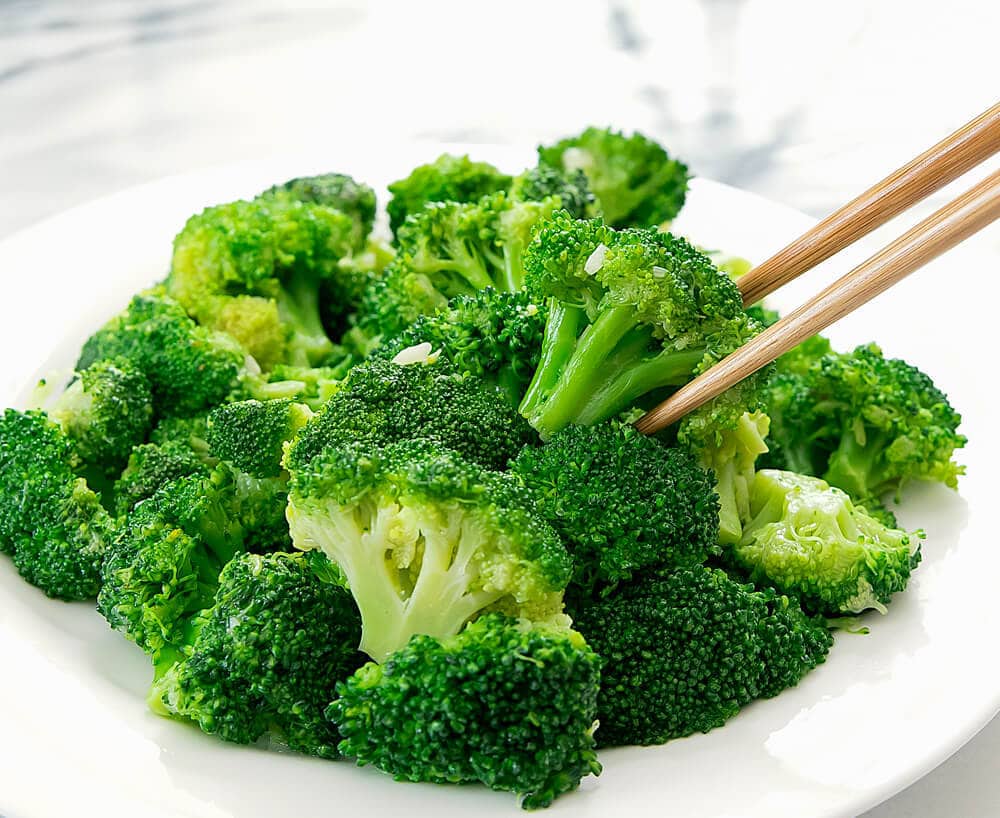
3. Broccoli.
Broccoli is extremely nutritious. It’s a cruciferous vegetable along with cauliflower, Brussels sprouts, and kale. Research has shown that eating a lot of cruciferous vegetables is associated with a decreased risk of heart disease and cancer. This may be related to the anti-inflammatory effects of the antioxidants they contain. Broccoli is rich in sulforaphane, an antioxidant that fights inflammation by reducing your levels of cytokines and NF-kB, which drive inflammation.
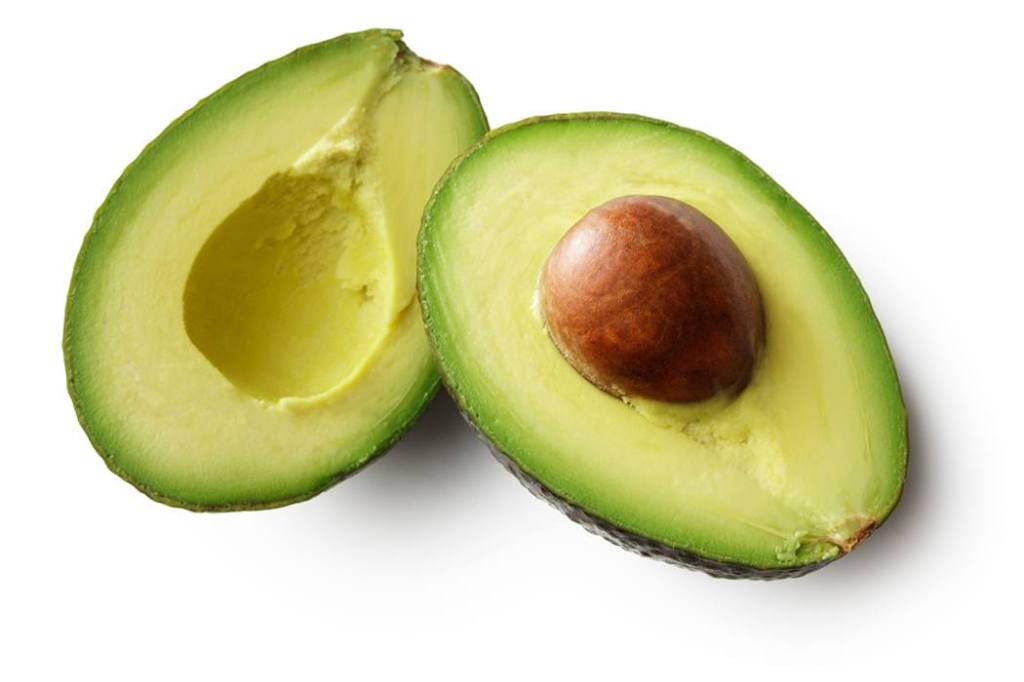
4. Avocados.
Avocados may be one of the few supposed superfoods worthy of the title. They’re packed with potassium, magnesium, fiver and heart healthy monounsaturated fats. They also contain carotenoids and tocopherols, which are linked to reduced cancer risk. One compound in avocados may reduce inflammation in young skin cells. In one study, when people consumed a slice of avocado with a hamburger, they had lower levels of the inflammatory markers NF-kB and IL-6 than participants who ate the hamburger alone.
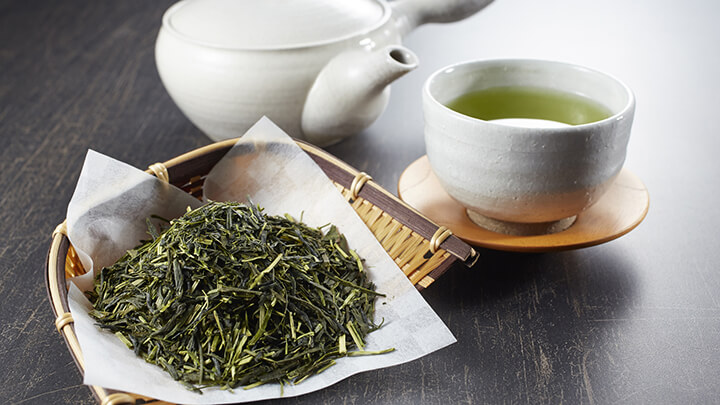
5. Green tea.
You’ve probably heard that green tea is one of the healthiest beverages you can drink. It reduces your risk of heart disease, cancer, Alzheimer’s disease, obesity and other conditions. Many of its benefits are due to its antioxidant and anti-inflammatory properties, especially a substance called epigallocatechin-3-gallate (EGCG). EGCG inhibits inflammation by reducing pro inflammatory cytokine production and damage to the fatty acids in your cells.
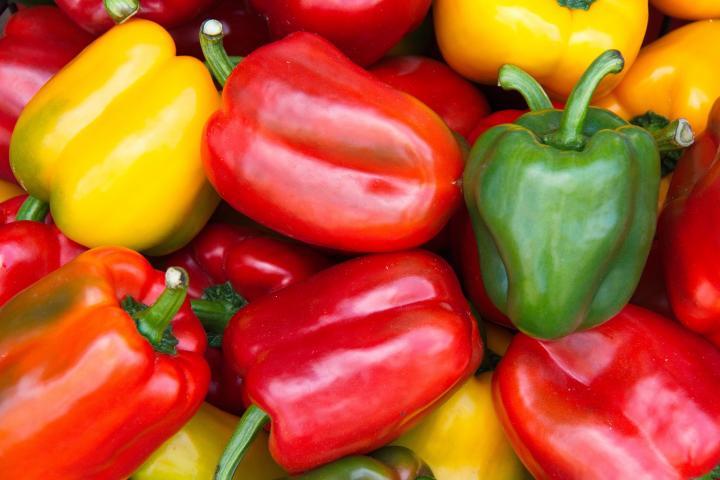
6. Peppers.
Bell peppers and chilli peppers are loaded with vitamin C and antioxidants that have powerful anti inflammatory effects. Bell peppers provide the antioxidant quercetin, which may reduce one marker of oxidative damage in people with sarcoidosis, an inflammatory disease. Chili peppers contain sinapic acid and ferulic acid, which may reduce inflammation and lead to healthier ageing .
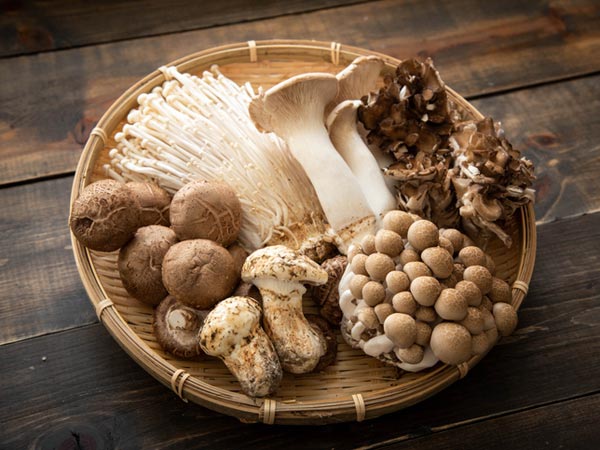
7. Mushrooms.
While thousands of varieties of mushrooms exist worldwide, only a few are edible and grown commercially. These include truffles, portobello mushrooms, and shitake . Mushrooms are very low in calories and rich in selenium, copper, and all of the B vitamins. They also contain phenols and other antioxidants that provide anti inflammatory protection. A special type of mushroom called lion’s mane may potentially reduce low grade obesity related inflammation. One study found that cooking mushrooms lowered their anti inflammatory compounds significantly. Thus, it may be best to eat them raw or lightly cooked.
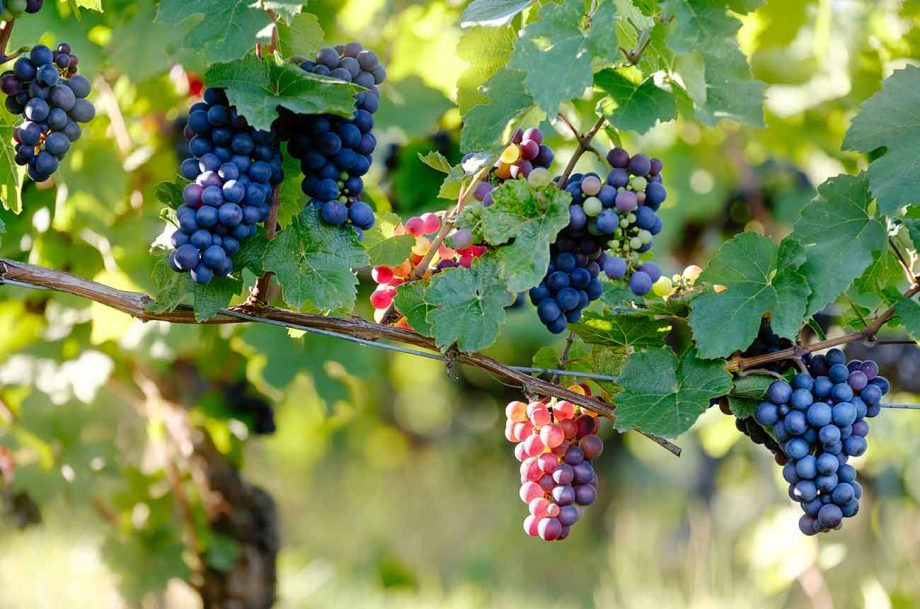
8. Grapes.
Grape contain anthocyanins, which reduce inflammation. In addition, they may decrease the risk of several diseases, including heart disease, diabetes, obesity, Alzheimer’s and eye disorders. Grapes are also one of the best sources of resveratrol, another compound that has many health benefits. In one study, people with heart disease who consumed grape extract daily experienced a decrease in inflammatory gene markers including NF-kB. What’s more, their levels of adiponectin increased. Low levels are associated with weight gain and an increased risk of cancer.

9. Turmeric.
Turmeric is a spice with a strong, earthy flavor that’s often used in curries and other Indian dishes. It has received a lot of attention for its content of curcumin, a powerful anti inflammatory nutrient. Turmeric reduces inflammation related to arthritis, diabetes, and other diseases. In fact, consuming 1 gram of curcumin daily combined with piperine from black pepper caused a significant decrease in the inflammatory marker CRP in people with metabolic syndrome. However, it may be hard to get enough curcumin to experience a noticeable effect from turmeric alone. Curcumin supplements are often combined with piperine, which can boost curcumin absorption by 200 percent.
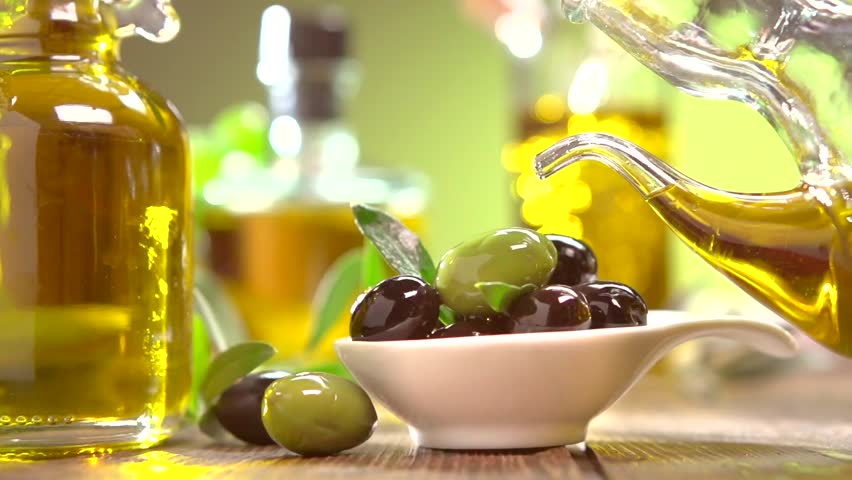
10. Extra virgin olive oil.
Extra virgin olive oil is one of the healthiest fats you can eat. It’s rich in monounsaturated fats and a staple in the Mediterranean diet, which provides numerous health benefits. Studies link extra virgin olive oil to a reduced risk of heart disease, brain cancer and other serious health conditions. In one study on the Mediterranean diet, CRP and several other inflammatory markers significantly decreased in those who consumed 1.7 ounces (50 ml) of olive oil daily. The effect of oleocanthal, an antioxidant found in olive oil, has been compared to anti inflammatory drugs like ibuprofen. Keep in mind that extra virgin olive oil offers greater anti inflammatory benefits than those provided by more refined olive oils.

11. Dark chocolate and cocoa.
Dark chocolate is delicious, rich and satisfying. It’s also packed with antioxidants that reduce inflammation. These may reduce your risk of disease and lead to healthy ageing. Flavanols are responsible for chocolate’s anti inflammatory effects and keep the endothelial cells of your arteries healthy. In one study, smokers experienced significant improvements in endothelial function within 2 hours of eating high-flavonol chocolate. However, make sure to choose dark chocolate that contains at least 70 percent cocoa (a greater percentage is even better) to reap the anti inflammatory benefits.
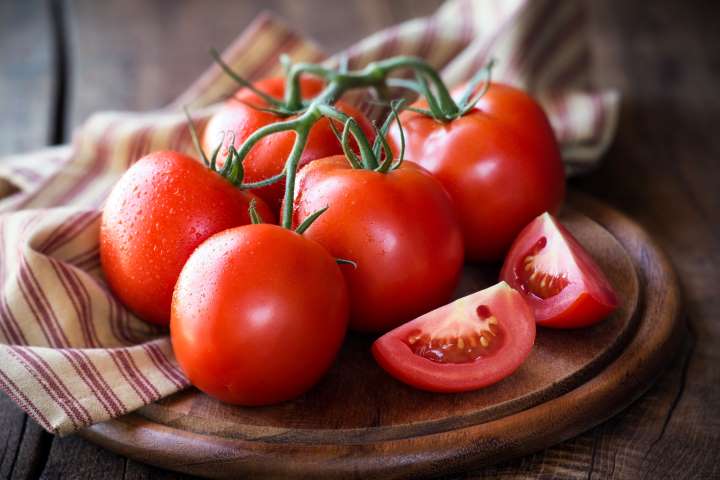
12. Tomatoes.
The tomato is a nutritional powerhouse. Tomatoes are high in vitamin C, potassium and lycopene. An antioxidant with impressive anti inflammatory properties. Lycopene may be particularly beneficial for reducing pro inflammatory compounds related to several types of cancer. One study determined that drinking tomato juice significantly decreased inflammatory markers in women with excess weight, but not those with obesity. Note that cooking tomatoes in olive oil can maximise the amount of lycopene you absorb. That’s because lycopene is a carotenoid a nutrient that’s better absorbed with a source of fat.

13. Cherries.
Cherries are delicious and rich in antioxidants, such as anthocyanins and catechins which fight inflammation. Although the health promoting properties of tart cherries have been studied more than other varieties, sweet cherries also provide benefits. In one study, when people consumed 280 grams of cherries per day for 1 month, their levels of the inflammatory marker CRP decreased and stayed low for 28 days after they stopped eating cherries.
 DomoArigato