
What causes anxiety?
If you notice that quick tips haven’t been working, you may want to consider seeing a professional for help. Especially if you believe you have GAD and its interfering with routine activities and causing physical symptoms. A mental health professional can help with streamlining the process of identifying your triggers, maintaining long-term strategies through behavioural therapy, medications, and more.For example, if your anxiety stems from a trauma you experienced in your past, it can be helpful to work through that with a licensed therapist. On the other hand, if your brain chemistry predisposes you to chronic anxiety, you may need to go on medication to manage it. Anxiety may always be a part of your life, but it shouldn’t overtake your day-to-day. Even the most extreme anxiety disorders can be treated so that the symptoms aren’t overwhelming. Once you find what treatment works best for you, life should be a lot more enjoyable and a lot less daunting.

Symptoms of a panic attack.
- fear of dying
- feeling like you’re losing control
- a sense of detachment
- nausea
- feeling lightheaded or dizzy
- numbness or tingling in your extremities
- feeling hot or cold
- heart palpitation
- shortness of breath
- chest pain or tightness

Signs of an anxiety attack.
These are some of the more common mental and physical symptoms of anxiety.
- feelings of danger, panic or dread
- nervousness or restlessness
- sweating
- trembling or chills
- tiredness or weakness
- difficulty focusing
- rapid heart rate
- gastrointestinal problem
- hyperventilation
It’s also possible to experience an anxiety and panic attack simultaneously. The quick coping strategies mentioned above may also help with a panic attack. Other mindful strategies to cope with panic attack include focusing on an object, repeating a mantra, closing your eyes, and going to your happy place.
Breathe, there are ways to calm your anxiety.
Know that feeling of your heart beating faster in response to a stressful situation? Or perhaps, instead, your palms get sweaty when you’re confronted with an overwhelming task or event. That is anxiety, our body’s natural response to stress. If you haven’t recognised your-triggers yet, here are a few common ones like your first day at a new job, meeting your partner’s family or giving a presentation in front of a lot of people. Everyone has different triggers and identifying them is one of the most important steps to coping and managing anxiety attacks. Identifying your triggers can take some time and self-reflection. In the meantime, there are things you can do to try to help calm your anxiety from taking over.

5 quick ways to cope with anxiety.
If your anxiety is sporadic and getting in the way of your focus or tasks, there are some quick natural remedies that could help you take control of the situation. If your anxiety is focused around a situation, such as being worried about an upcoming event, you may notice the symptoms are short-lived and usually subside after the anticipated event takes place.
1. Question your thought pattern.
Negative thoughts can take root in your mind and distort the severity of the situation. One way is to challenge your fears, ask if they’re true, and see where you can take back control.
2. Practice focused, deep breathing.
Try breathing in for four counts and breathing out for four counts for 5 minutes total. By evening out your breath, you’ll slow your heart rate which should help calm you down. The 4-7-8 technique is also known to help anxiety.
3. Use aromatherapy.
Whether they’re in oil form, incense or candle scents like lavender, chamomile, and sandalwood can be very soothing. Aromatherapy is thought to help activate certain receptors in your brain potentially easing anxiety.
4. Go for a walk or do 15 minutes of yoga.
Sometimes, the best way to stop anxious thoughts is to walk away from the situation. Taking some time to focus on your body and not your mind may help relieve your anxiety.
5. Write down your thoughts.
Writing down what’s making you anxious gets it out of your head and can make it less daunting. These relaxation tricks are particularly helpful for those who experience anxiety sporadically. They may also work well with someone who has generalised anxiety disorder (GAD). If you suspect you have GAD, quick coping methods shouldn’t be the only kind of treatment you should employ. You will want to find long-term strategies to help lessen the severity of symptoms and even prevent them from happening.
Long term strategies for coping with anxiety.
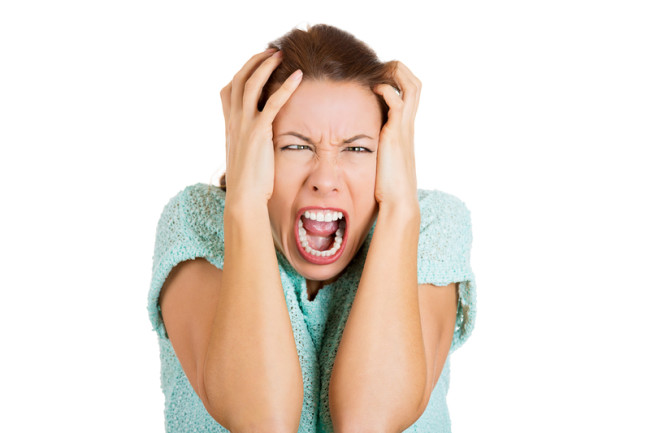
If anxiety is a regular part of your life, it’s important to find treatment strategies to help you keep it in check. It might be a combination of things, like talk therapy and meditation or it might just be a matter of cutting out or resolving your anxiety trigger. If you’re not sure where to start, it’s always helpful to discuss options with a mental health professional who might suggest something you hadn’t thought of before.

Identify and learn to manage your triggers.
You can identify triggers on your own or with a therapist. Sometimes they can be obvious, like caffeine, drinking alcohol, or smoking. Other times they can be less obvious. Long-term problems, such as financial or work-related situations, may take some time to figure out like is it a due date, a person or the given situation? This may take some extra support, through therapy or with friends. When you do figure out your-trigger, you should try to limit your exposure if you can. If you can’t limit it — like if it’s due to a stressful work environment that you can’t currently change — using other coping techniques may help.
Some general triggers.
- a stressful job or work environment
- driving or traveling
- genetics – anxiety could run in your family
- withdrawal from drugs or certain medications
- side effects of certain medications
- trauma
- phobias, such as agoraphobia (fear of crowded or open spaces)
- claustrophobia (fear of small spaces)
- some chronic illnesses like heart disease, diabetes, or asthma
- having another mental illness such as depression
- caffeine
- chronic pain

Adopt cognitive behavioural therapy (CBT).
CBT help people learn different ways of thinking about and reacting to anxiety-causing situations. A therapist can help you develop ways to change negative thought patterns and behaviours before they spiral.
Do a daily or routine meditation.
While this takes some practice to do successfully, mindful meditation when done regularly can eventually help you train your brain to dismiss anxious thoughts when they arise. If sitting still and concentrating is difficult, try starting with yoga.
Try supplements or change your diet.
Changing your diet or taking supplements is definitely a long-term strategy. Research shows certain supplements or nutrients can help anxiety reduction. These may include:
- lemon balm
- omega-3 fatty acids
- ashwagandha
- green tea
- valerian root
- kava kava
- dark chocolate (in moderation)
It can take up to three months before your body is actually running on the nutrition these herbs and foods provide. If you’re taking other medications, make sure to discuss herbal remedies with your doctor.
Keep your body and mind healthy.
Exercising regularly, eating balanced meals, getting enough sleep, and staying connected to people who care about you are great ways to stave off anxiety symptoms.
Ask your doctor about medications.
If your anxiety is severe enough that your mental health practitioner believes you’d benefit from medication, there are a number of directions to go, depending on your symptoms. Discuss your concerns with your doctor.
When is my anxiety harmful?
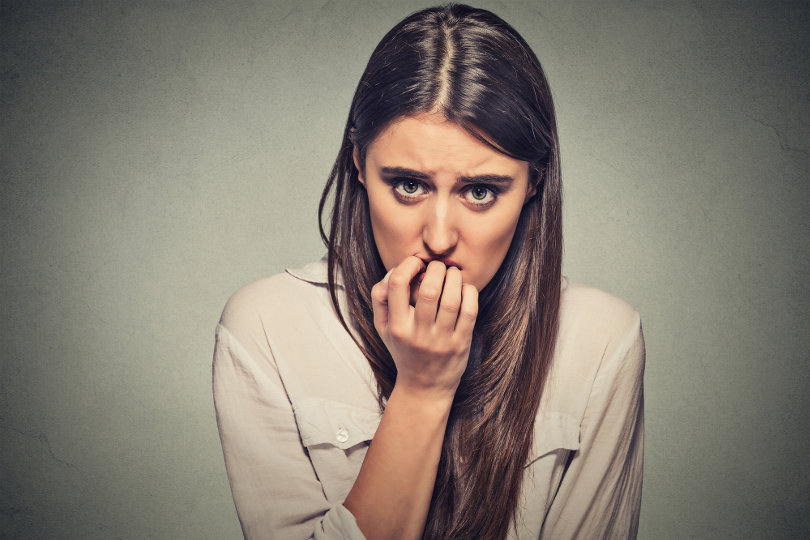
Identifying what sort of anxiety you’re dealing with can be somewhat challenging because how one’s body reacts to perceived danger can be entirely different compared to another person. It’s likely you heard anxiety as a blanket term for that general feeling of worry, nervousness, or unease. It’s often a feeling grown in response to an upcoming event that has an uncertain outcome. Every person deals with it at one time or another, because it’s part of our brain’s response to a perceived danger even if that danger isn’t real. That said, there are times anxiety can get serious and turn into anxiety attack that initially feel manageable and then gradually build up over a few hours. This is different from a panic attack which is out of the blue and subsides.
 DomoArigato