The answer may be found in women’s DNA. The gap in mortality rate between men and women is narrowing, but women are still ahead in term of longevity. According to statistics in the US, today women live at an average of five years longer than men.

Researchers have a leading theory that might explain the difference in life expectancy and it has to do with a tiny component of DNA called telomeres. It turns out women have better telomeric health, than men. Telomeres, the end caps of DNA strands that protect chromosomes, are longer from birth in females. Researchers have long understood that telomeres are vitally important to healthy longevity. Researchers have also known that women have an advantage over men because of their telomeric length.

When telomeres are worn away, the result is damage to DNA. Damaged DNA is shorter, and shorter DNA cuts years off your longevity. What’s not yet clear is if any biological factors help women maintain healthier, longer telomeres throughout their lives. There was a research done by Elissa Epel, PhD, a researcher and professor in the department of psychiatry at the University of California, San Francisco, Her research looks particularly at the effects of sex hormones and estrogen on telomere health, as well as the influence of reproductive health and mental health.

The role of estrogen as health protector
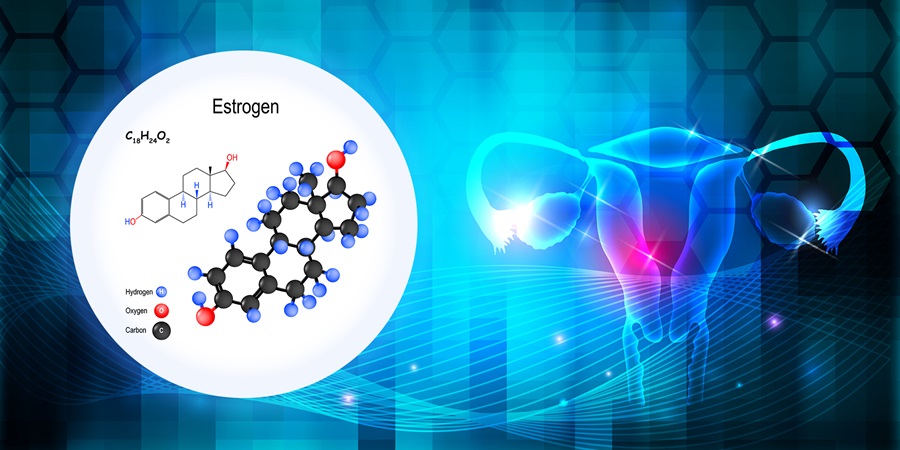
Estrogen or the female sex hormone, ushers out bad cholesterol (LDL) in the body. That means it may help protect against cardiovascular disease and other cholesterol related ailments. Estrogen also boosts good cholesterol (HDL), and relaxes, smooths, and dilates blood vessels which can lead to increased blood flow. Dr. Epel details in her presentation that the investigations reveal estrogen may also protect the end caps of the DNA, or the telomeres.
In addition, estrogen acts as an antioxidant. Where free radicals can damage DNA, including telomeres, estrogen acts as a barrier, protecting the delicate DNA strands from deterioration.
Having said that, estrogen cannot always protect telomeres from damage. Telomeres can lose length (which reduces longevity) because of stress and chronic or childhood psychological adversity, such as abuse. Advancing age also adds additional stress to the body and DNA, which can reduce telomeric length. However, Epel’s research is not enough for doctors to begin prescribing estrogen as a life extender, or even as a heart disease preventer.
“Estrogen in postmenopausal hormone therapy appears to have mixed effects on the heart. The largest randomized, controlled trial to date, the Women’s Health Initiative, found a small increase in heart disease in women taking both an estrogen and a progestin, but this was primarily in women over age 60, or more than 10 years from menopause. Estrogen alone showed a decrease in heart disease for women close to menopause. Due to other potential risks estrogen therapy is recommended for relief of menopausal symptoms or in women at higher risk of fracture but not to prevent heart disease.

Improving your telomeric health.
When it comes to DNA, damage doesn’t have to be permanent. The enzyme telomerase can add protection back to your DNA strands, which can slow, prevent and possibly reverse the telomere shortening that has already occurred. The best ways to boost telomerase and possibly gain back some of the telomeric length you’ve lost is to pursue better health. This mean that you need to manage stress, exercise regularly, eat healthy, such as the Mediterranean diet and get at least seven hours of sleep.”
Summary
Women have the advantage when it comes to living a longer life. Why that is has been largely unclear, but a new study suggests the key difference is the protective effects of the female sex hormone estrogen. Women are born with longer telomeres, and estrogen acts as a protector and rebuilder for these telomeres.
 DomoArigato