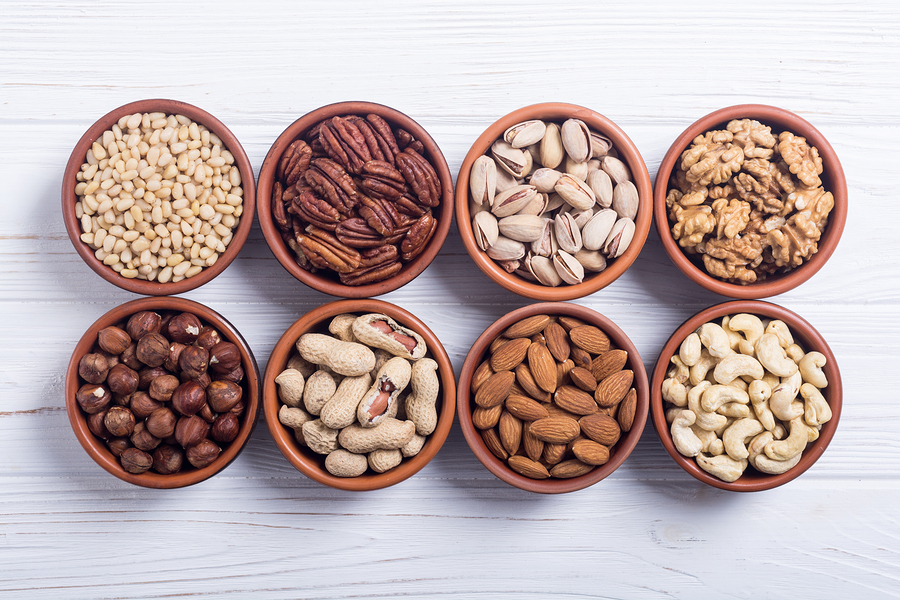
Nuts are nature’s way of showing us that good things come in small sizes. These bite size nutritional substances are packed with heart-healthy fats, minerals, protein and vitamins.
Of course, you can get too much of these good things. Nuts are high in fat and calories, so while a handful can hold you over until dinner, a few more handfuls can ruin your appetite altogether. And although nuts are a healthy choice by themselves, they’ll quickly become detrimental to any diet when mixed with sugary or salty toppings.
Here are some example of the benefits of different types of nuts on supermarket shelves today.
Nuts for Healthy Weight Loss
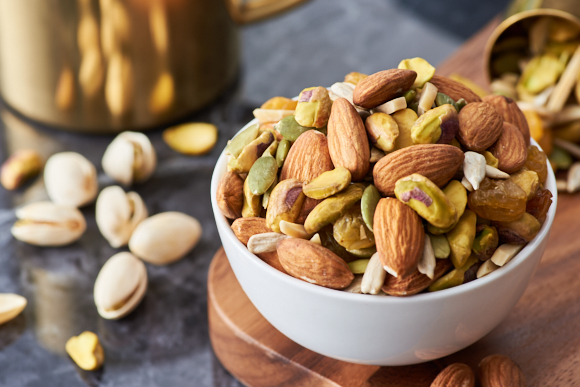
Almonds, Cashews and Pistachios.
All nuts are about equal in terms of calories per grams, and taken in moderation are all healthy additions to any diet. Their mix of omega-3 fatty acids, protein and fiber will help you feel full and suppress your appetite.
The lowest-calorie nuts at 160 per grams are almonds (23 nuts; 6 grams protein & 14 grams fat), cashews (16 to 18 nuts; 5 grams protein & 13 grams fat) and pistachios (49 nuts; 6 grams protein & 13 grams fat). Avoid nuts packaged or roasted in oil. Eat them raw or dry roasted instead. Roasted nuts may have been heated in hydrogenated or omega-6 unhealthy fats or processed with high temperatures that can destroy their nutrients altogether.
Nuts for Healthy Heart
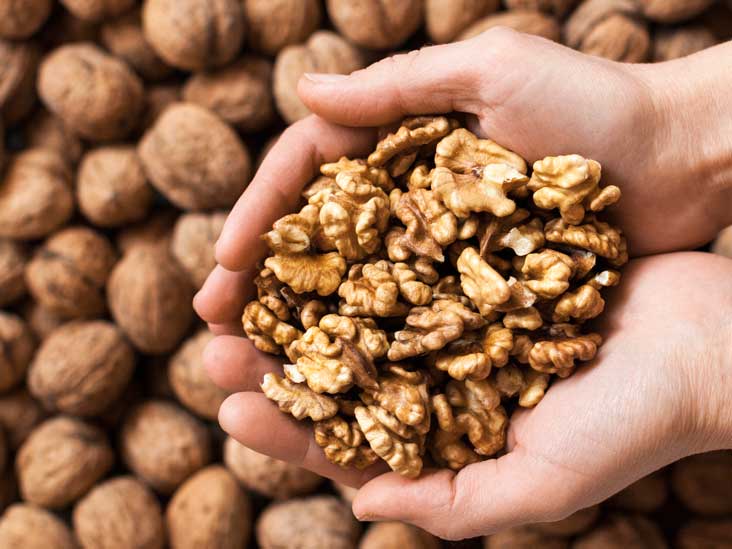
Walnuts.
While all nuts contain heart-healthy monounsaturated fats, walnuts – 14 halves contain 185 calories, 18 grams fat & 4 grams protein. It also have high amounts of heart-healthy alpha linoleic acid (ALA), a type of omega-3 fatty acid found in plants. Research has suggested that ALA may help heart arrhythmias. A study done in Spain back in year 2006, suggested that walnuts were as effective as olive oil at reducing inflammation and oxidation in the arteries after eating a fatty meal. It was recommended eating around eight walnuts a day to achieve similar benefits.
Nuts for Healthy Brain

Peanuts.
Technically legumes but generally referred to as nuts, peanuts are high in folate, a mineral essential for brain development that may protect against cognitive decline. It also makes peanuts a great choice for vegetarians, who can come up short on folate. A pregnant women need folate to protect their unborn babies from birth defects. Like most other nuts, peanuts are also full of brain-boosting healthy fats and vitamin E, as well. Thirty grams of peanuts which is around 28 unshelled peanuts, contains about 170 calories, 7 grams protein and 14 grams fat.
Nuts for Men’s Health
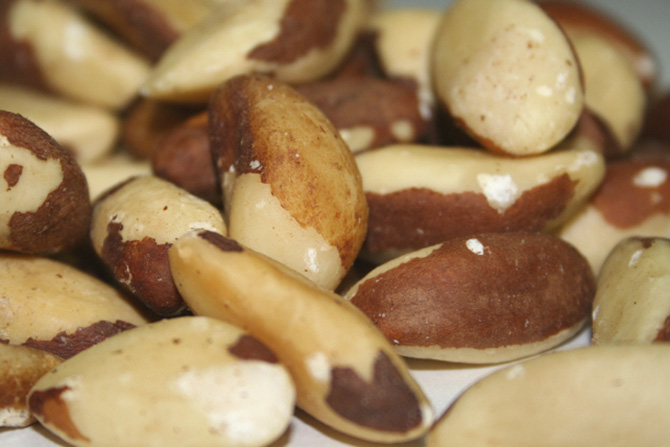
Brazil Nuts and Pecan Nuts.
A Brazil nuts are fueled with selenium, a mineral that may protect against prostate cancer and other diseases. Just one nut contains more than a day’s worth. Recent research shows that too much selenium may risked a type 2 diabetes, so eat them sparingly. About 30 grams of Brazil nuts (6 nuts that is) contains about 190 calories, 19 grams fat and 4 grams protein.
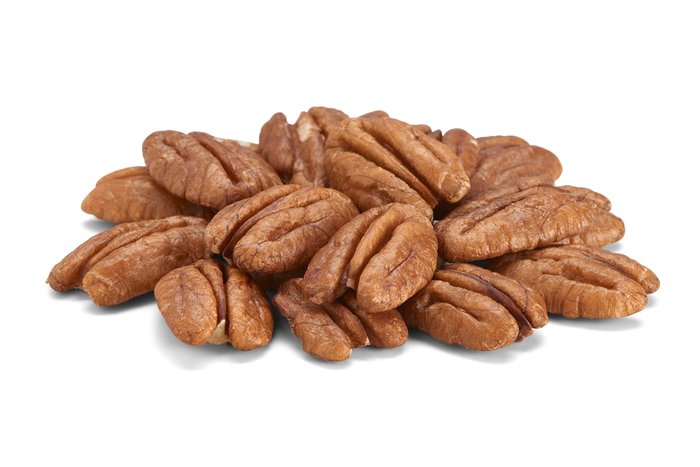
Pecans are also good for men’s health. They’re loaded with beta-sitosterol, a plant steroid that may help relieve symptoms of benign prostatic hyperplasia (BPH), or in plain and simple english enlarged prostate. 28 grams of pecans, which is around 18 to 20 halves, contains about 200 calories, 21 grams fat and 3 grams protein.
Nuts for Increase Immune System
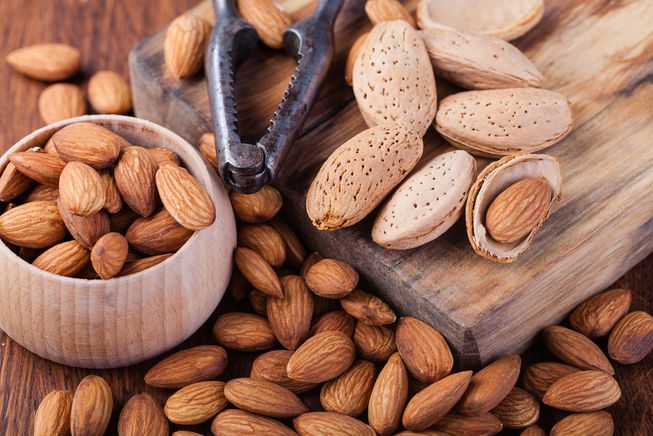
Almonds.
Relatively low in calories, almonds have more calcium than any other nut, making them a great food for overall health. Plus, they are rich in fiber and vitamin E, an antioxidant that helps fight dangerous inflammation and possibly health conditions such as lung cancer and age related cognitive decline. Being so versatile almonds are often the favorite among nut eaters. You can buy them raw, toasted, slivered or coated with a variety of fun flavours. I personally like them roasted.
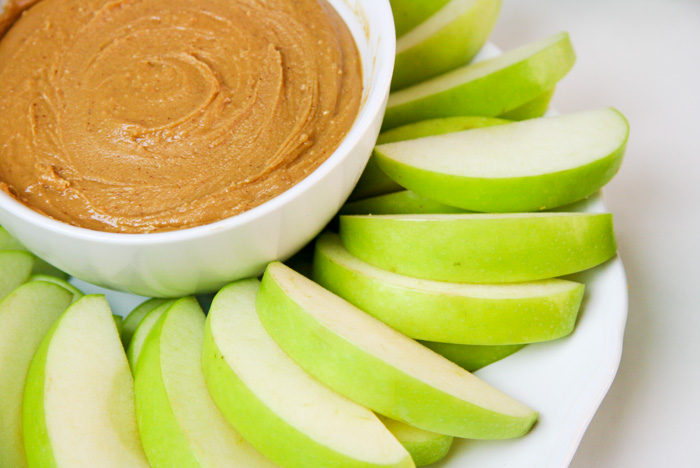
Now you know all about which nuts are good for what, it is also important to know how to eat them to get the most health benefits out of it. For instance, nuts are great to eat when you are having a carbohydrate like fruit or juice because it helps slow down digestion and the breakdown of sugar. Sprinkle them on salads, add them to low or non-fat yogurt, or spread peanut butter on slices of apple or pear, to name a few great ways to eat them.
 DomoArigato